planning approvals
BDP-planned 770,000 sq ft office district beside Preston station wins committee approval
Five office buildings of five to 15 storeys on the Fishergate Shopping Centre car park form the first phase of the Station Quarter framework that BDP wrote in 2022.
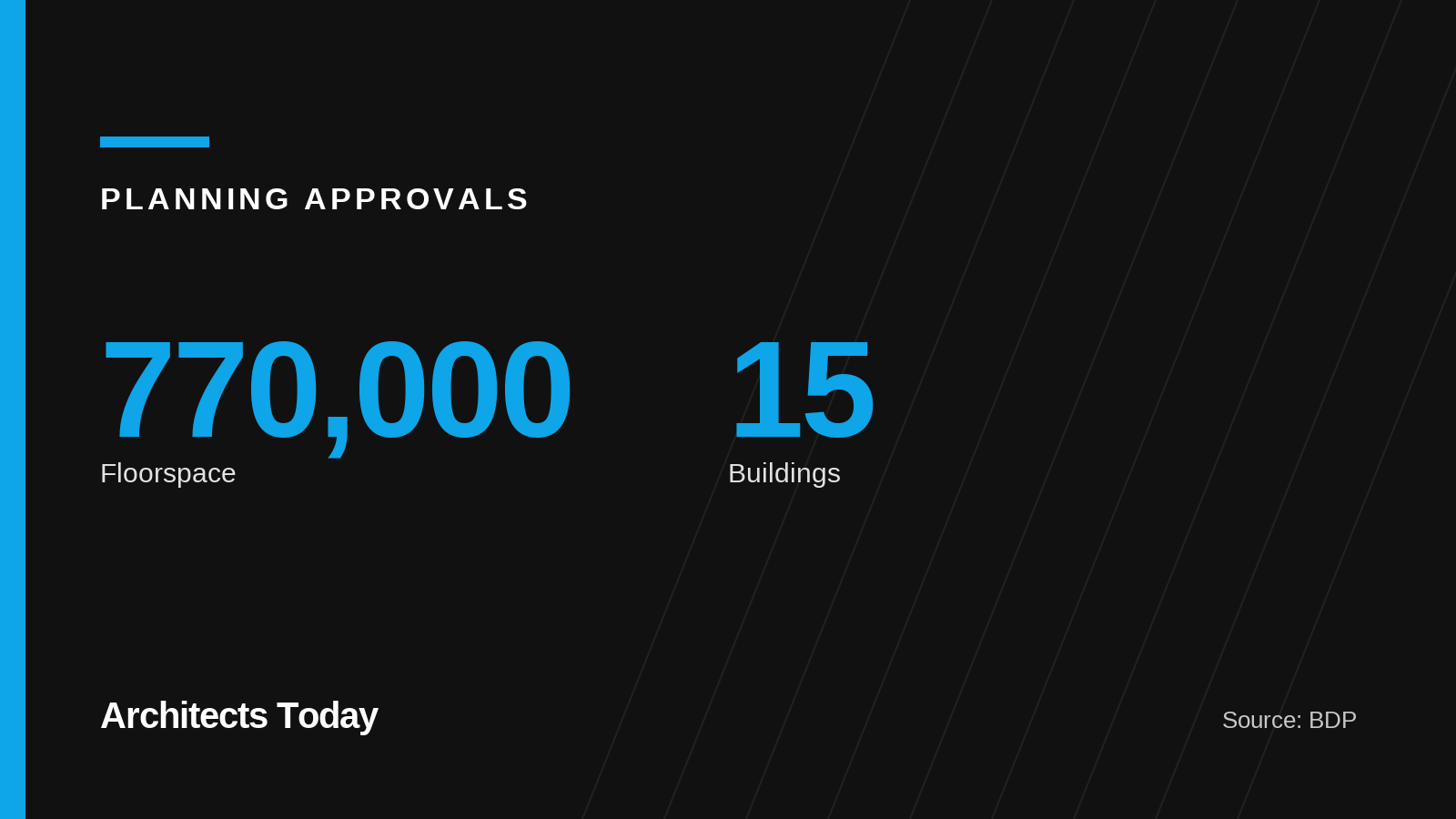
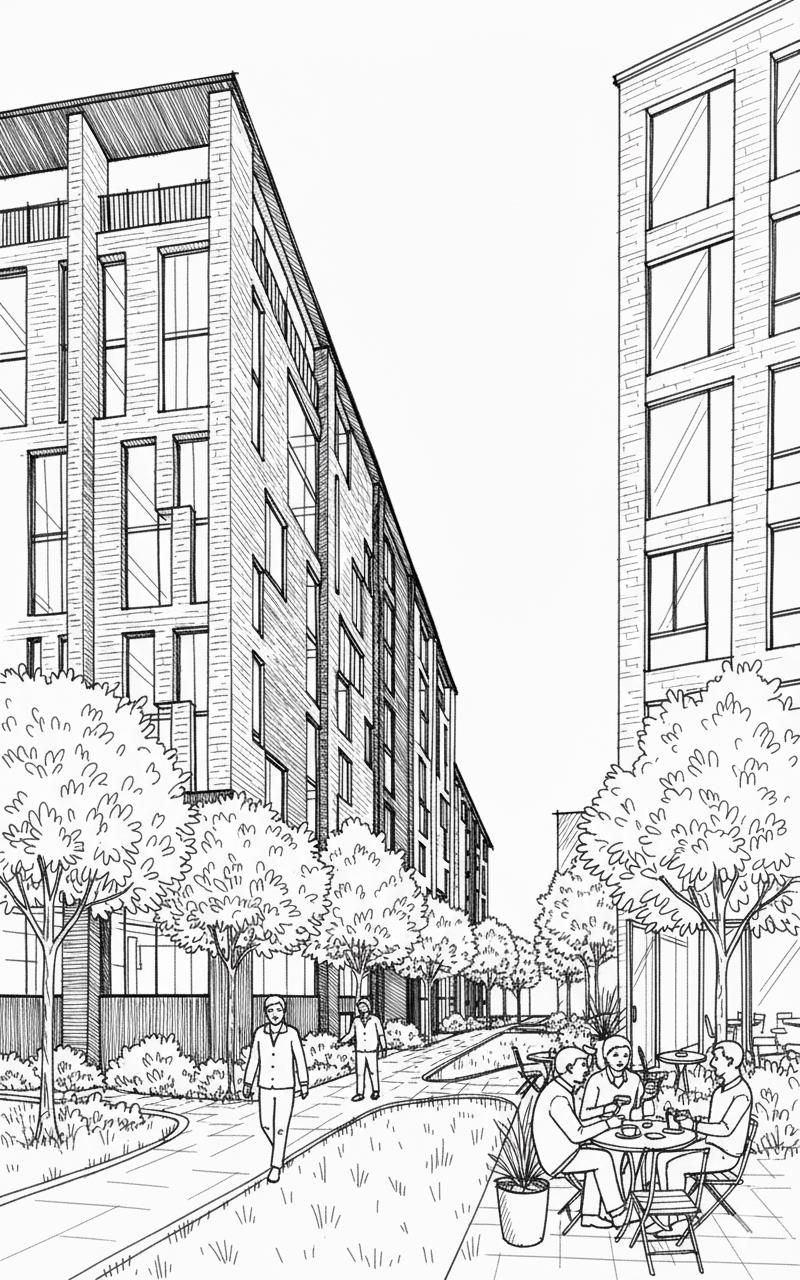
Plans for a 770,000 sq ft office district and public realm on the surface car park beside Preston railway station have received planning committee approval, design practice BDP said on 24 November.
The scheme, brought forward by Martin Property Group, comprises five office buildings on the car park serving the Fishergate Shopping Centre. BDP said the buildings range from five to 15 storeys and will provide Grade A office space alongside new public spaces, landscaping and improved pedestrian connections.
BDP is providing town planning, landscape architecture, and civil and structural engineering services on the project. The practice said the approval marks the start of a new phase in the regeneration of the area around the station.
David Staniland, Associate Town Planner at BDP, said the Fishergate site was important for the people of Preston. "Strategically, it sits directly alongside the railway station, but its current use does little to realise its potential or strengthen the connection between the station and the city."
From framework to first phase
The approval takes BDP from author of the area's regeneration strategy to delivery consultant on its first built-out phase. The practice's town planning and urban design teams led the Preston Station Quarter Regeneration Framework, which BDP said Preston City Council endorsed in 2022.
Lancashire County Council published the draft framework for consultation on 23 March 2022. The county council said it had been created by Building Design Partnership Ltd (BDP) on behalf of Preston City Council, Lancashire County Council and the University of Central Lancashire (UCLan), and covered the areas around the Fishergate Centre, County Hall and along Corporation Street to the university.
According to the county council, the framework's aim was to bring offices, new commercial and educational opportunities and new housing to the station area. It described Preston Railway Station as the main rail hub in Lancashire.
BDP said the framework set out a long-term vision for the areas around the station, identifying opportunities to diversify land uses, increase density and encourage mixed-use development. It identified the Station East area, including the Fishergate site, as a potential new commercial and employment destination.
The approved proposals represent the first phase of that vision, BDP said, replacing an underused surface car park with a new commercial district.
Staniland said: "These approved proposals provide an opportunity to make much better use of the location, bringing forward a substantial new workplace-led development alongside high-quality public realm."
Public realm and connections
BDP's landscape architecture team has developed a public realm strategy for the site. The practice said it would introduce new landscaped spaces, pedestrian routes and green connections through the site, with pocket parks providing places for people to meet.
A new north-south boulevard and a landscaped garden square are planned to link Fishergate with the wider green network, and improved pedestrian connections are intended to strengthen links with Winckley Square and Avenham Park.
What happens next
The wider masterplan provides scope for development beyond the five buildings approved as Phase One, BDP said, with the potential for further buildings and a broader mix of uses on the Fishergate site.
BDP described Preston as its spiritual home and said the project builds on its longstanding relationship with the city and its built environment.
BDP's announcement did not give the date of the planning committee or a timetable for a start on site.
On the record: BDP, Lancashire County Council
Sources
- BDP (opens in a new tab) (accessed 2026-11-25)
- Lancashire County Council (opens in a new tab) (accessed 2026-11-25)
- University of Lancashire (formerly UCLan) (opens in a new tab) (accessed 2026-11-25)
This story was researched from the primary sources above and checked against them before publication. Spotted an error? Tell us and we will correct it promptly.