awards
Purcell's Barts North Wing restoration wins Georgian Group award
The Grade I-listed James Gibbs building at St Bartholomew's Hospital took the Restoration of a Georgian Building in an Urban Setting category at a ceremony in Inner Temple, weeks after winning the RICS Heritage Award.
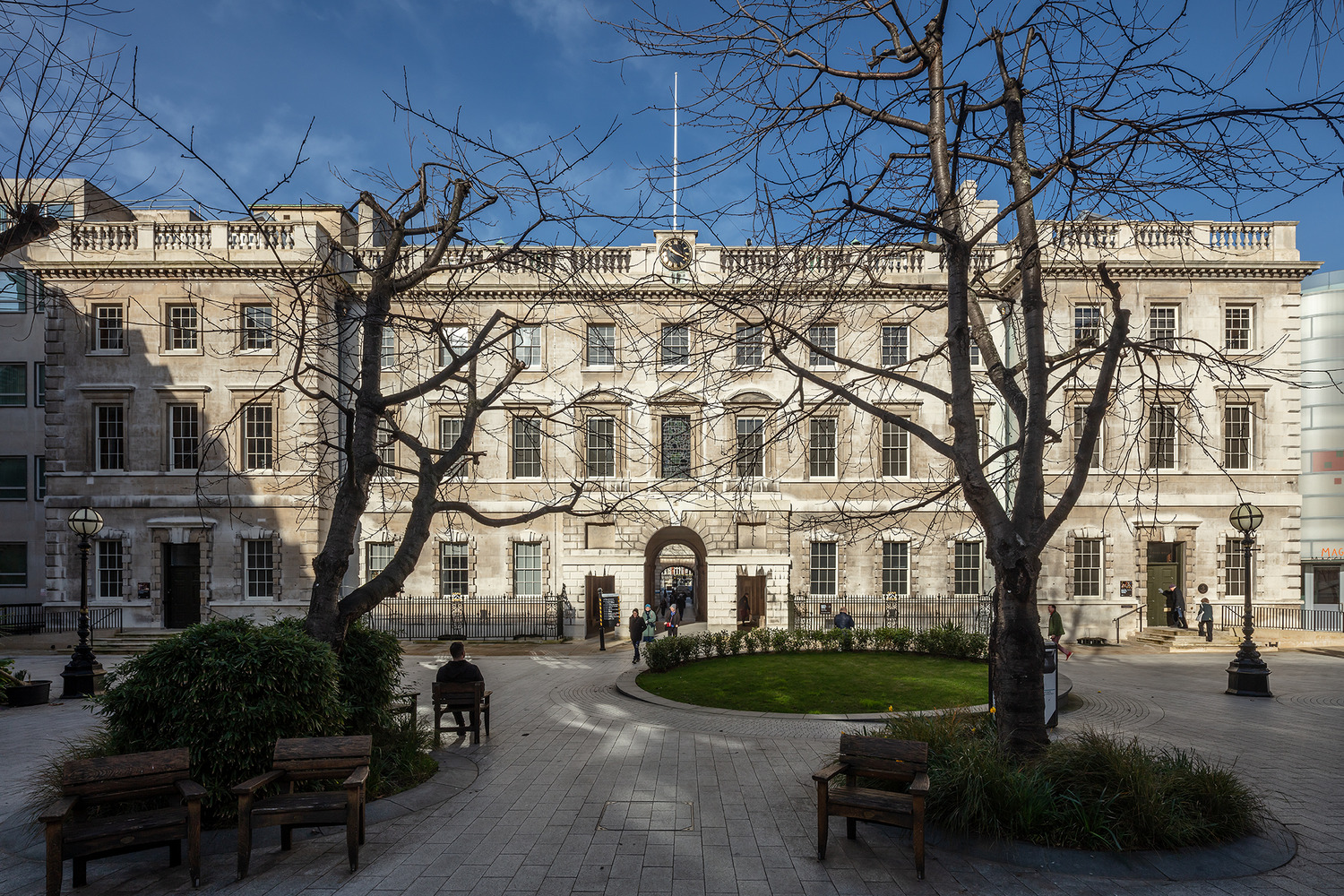
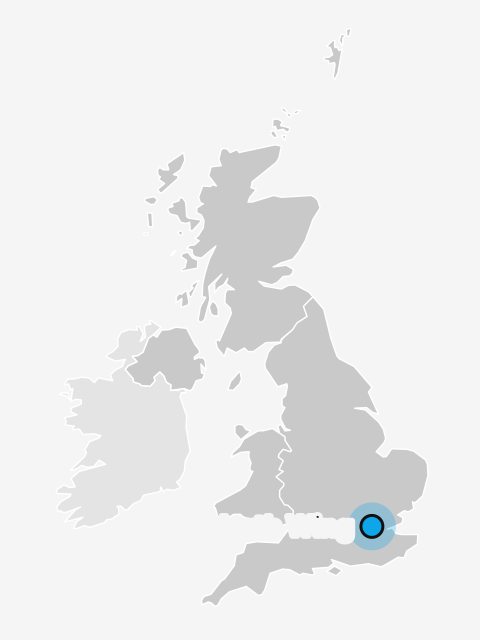
Purcell's restoration of the Grade I-listed North Wing at St Bartholomew's Hospital in the City of London has won the Restoration of a Georgian Building in an Urban Setting category at the 2026 Georgian Group Architectural Awards.
The Georgian Group announced the winners at a ceremony at Inner Temple, central London, on Tuesday 17 November 2026. Certificates were presented by the Duchess of Argyll, the Group's president.
Purcell said the project was delivered in partnership with Barts Heritage, the charity established in 2017 to raise funds for the restoration of the building. The win follows the RICS Heritage Award, which Purcell announced on 23 October 2026 the project had taken at the 2026 RICS Grand Final.
Dr Anya Lucas, Director of The Georgian Group, said: "Our Architectural Awards provide a positive and hopeful counterpoint to the threats to heritage we see daily." She said this year's awards particularly celebrated projects that had shown vision on sustainability or had foregrounded traditional craft skills.
The judges' view
The Georgian Group described the North Wing as James Gibbs's ceremonial centrepiece at Britain's oldest operating hospital, and said Purcell's conservation-led approach prioritised repair over replacement, with renewal of rainwater systems, masonry repairs and stabilisation of the original decorative scheme.
Dr John Goodall, Chair of Judges, said of the winning projects that "the common theme is their absolute determination to get things right through painstaking research".
The Group said publicly accessible scaffold platforms during the works allowed hospital staff, community groups and visitors to watch conservators at work, and that the North Wing is now regularly open to the public. Purcell put the number of visitors who viewed conservation in action from the scaffold at more than 3,000; Barts Heritage said the birdcage scaffold allowed public access for six months.
The work
Purcell said the work ranged from repair of historic plasterwork and decorative finishes to restoration of the building's significant architectural features, including the Great Hall and the Hogarth Stair, where conservation teams stabilised William Hogarth's paintings. Environmental improvements were introduced to support the building's continued use, the practice said.
Barts Heritage said specialist carpenters removed, repaired and repainted each of the 160 sash windows, and that thousands of Georgian roof slates were stripped and re-laid together with 400 metres of new lead. The Charter Window was conserved by Holy Well Glass and re-installed in April 2025, and the Hogarth paintings were worked on by a team led by conservation specialists Stephen Paine and Sophie Stewart. New energy-efficient lighting was installed to present the paintings.
The charity said its Sharing Historic Barts project, which aims to repair, conserve and rejuvenate the hospital's historic buildings, began in 2024 and completed in August 2025, with the North Wing re-opening to visitors in October 2025. Purcell's own completion announcement, dated 14 October 2025, said the work had reached completion that month.
Barts Heritage named the National Lottery Heritage Fund, St Bartholomew's Hospital Charitable Fund and the City of London's Community Infrastructure Levy Neighbourhood Fund among the project's funders.
Background
The hospital was founded in 1123 and re-founded by Henry VIII in 1547, according to Barts Heritage. Sources differ on the date of the North Wing: Purcell said Gibbs designed it in the 1730s, the Georgian Group dated it to 1732, and Barts Heritage said it was the first block of Gibbs's remodelled hospital to be completed, in 1734. Hogarth's The Good Samaritan was painted on site and completed in 1737, the charity said.
Purcell said the restoration had opened the spaces to a wider public audience, creating opportunities for learning, cultural engagement and wellbeing within the hospital, and that the renewed spaces connect the hospital more closely with the City of London's Cultural Mile. The practice has described the result as giving public access to the North Wing for the first time in around 300 years.
The North Wing has also been featured in New London Architecture's research publication The Health-Creating City, Purcell said.
The Georgian Group's awards have been held annually since 2003 and are now in their 22nd year. Entries must have reached practical completion by early summer of the year of entry, and the Group defines "Georgian" for the awards as the long eighteenth century from 1660 to 1840.
On the record: Purcell, RICS, New London Architecture
Sources
- Purcell (opens in a new tab) (accessed 2026-11-20)
- The Georgian Group (opens in a new tab) (accessed 2026-11-20)
- The Georgian Group (opens in a new tab) (accessed 2026-11-20)
- Purcell (opens in a new tab) (accessed 2026-11-20)
- Purcell (opens in a new tab) (accessed 2026-11-20)
- Barts Heritage (opens in a new tab) (accessed 2026-11-20)
- Barts Heritage (opens in a new tab) (accessed 2026-11-20)
This story was researched from the primary sources above and checked against them before publication. Spotted an error? Tell us and we will correct it promptly.